





Working With an Influencer Marketing Agency
A Client's Guide to Working With an Influencer Marketing Agency
You’ve decided to work with an influencer marketing agency. Good move, but if it’s your first time, the process can feel a little mysterious. Who does what? How long does it take? What are you paying for? That’s why you need a guide to working with an influencer marketing agency – to walk you through what to expect, step by step, so you go in feeling prepared instead of just hoping for the best.
Why Bring In an Agency at All
You could technically run influencer campaigns yourself – slide into some DMs, negotiate rates, send products, and cross your fingers. Plenty of brands try this and end up with mismatched creators, missed deadlines, and no real way to measure results.
A good influencer management agency exists to remove that guesswork. They bring existing relationships with Saudi content creators, a system for vetting who’s actually worth working with, and the kind of reporting that tells you whether a campaign actually moved the needle. If you’re weighing whether it’s worth it, keep in mind that influencer marketing costs in Saudi Arabia can vary widely depending on the creator, platform, and campaign goals.

Step 1: The Discovery Call
Every good partnership starts with the agency actually understanding your brand and not just your product, but your goals, your audience, your budget, and what “success” looks like to you. This is usually a short call or meeting where you talk through what you’re trying to achieve, whether that’s app downloads, brand awareness, foot traffic, or straight-up sales.
Come to this call with rough numbers in mind, even if they’re not final. Agencies can work with a range, but they can’t build a strategic influencer campaign around “whatever budget you think is fair.”
Step 2: Strategy and Proposal
Once the agency understands your goals, they’ll come back with a proposed influencer marketing strategy. Their strategy focuses on which platforms make sense (TikTok, Instagram, YouTube, Snapchat), what kind of creators fit your brand, roughly how many, and what the campaign timeline looks like.
This is the part where you should ask questions. A good agency won’t just hand you a follower-count spreadsheet. They’ll explain why those specific creators, and how that choice ties back to your goals. Before making a decision, it’s helpful to understand how micro, macro, and mega influencers compare in terms of audience size, engagement, and cost.
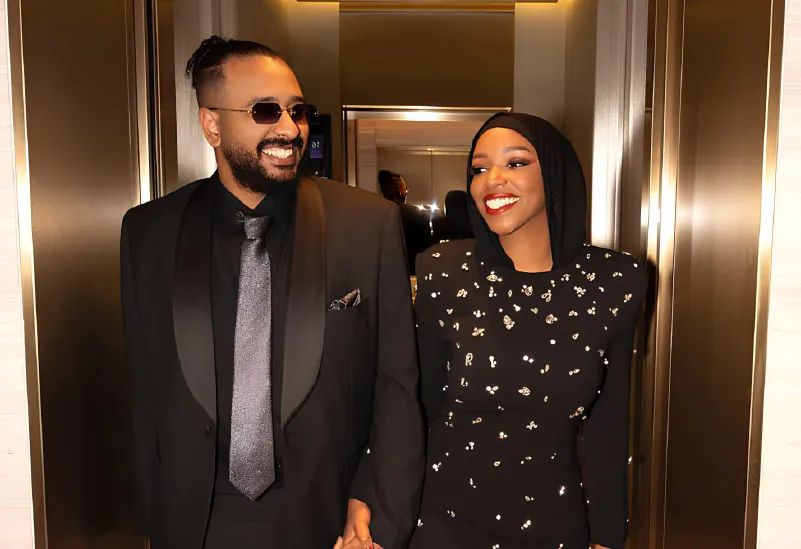
Step 3: Creator Matching and Outreach
This is where the agency’s relationships actually pay off. Instead of you cold-messaging creators and negotiating rates from scratch, the agency handles outreach, negotiation, and contracts on your behalf. A few things typically get sorted at this stage:
- Final creator list and confirmed availability.
- Rates and deliverables per creator (how many posts, stories, videos).
- Content approval process – will you review drafts before they go live?
- Timeline for content delivery and posting dates.
- Usage rights – can you repost the content on your own channels or run it as an ad?
Getting this locked down early avoids the awkward back-and-forth later, especially around usage rights, which brands often forget to ask about until it’s too late.
Step 4: Content Creation
Once contracts are signed, creators start producing content. This is usually where brands are most tempted to over-control the process, and it’s worth resisting that urge. Part of what makes content creator support work is letting creators speak in their own voice because audiences can spot an overly scripted ad from a mile away.
That said, you should still expect a review step for anything sensitive, such as pricing claims, terms and conditions, disclosure requirements. A solid agency will build this into the workflow so you’re not chasing creators for edits after they’ve already posted.

Step 5: Going Live and Tracking Performance
Once content goes live, the agency should be tracking performance in real time and not just vanity metrics like views and likes, but the numbers that actually matter to your business: click-throughs, sign-ups, sales, or whatever your original goal was back in Step 1.
Ask your agency what reporting looks like before the campaign starts. Will you get a mid-campaign check-in? A final report? Raw data, or a summary with recommendations? Looking at industry benchmarks for metrics like engagement, reach, and conversions can give you a clearer picture of what good performance actually looks like.
Step 6: The Wrap-Up and What Comes Next
After the campaign wraps, a good agency doesn’t just disappear. Instead, they’ll walk you through what worked, what didn’t, and what they’d do differently next time. This is honestly one of the most valuable parts of the whole process, because it turns one campaign into a repeatable playbook instead of a one-off experiment.
If the results were solid, this is also usually when the conversation shifts toward longer-term influencer partnerships – think ongoing ambassador relationships instead of one-off posts, which tend to build more trust with audiences over time than a single sponsored post ever could.

What to Look for in an Agency
Not all agencies are built the same, and it’s worth being a little picky. A few things worth checking before you sign anything: does the agency have real experience in your industry, or are they generalists? Do they have direct relationships with creators, or are they just browsing public profiles like you could? Can they show past campaign results, not just follower counts? And do they operate locally, because an influencer agency in Saudi Arabia actually understands the local platform habits and cultural nuance. And it will consistently outperform a generic international one trying to guess.
Follow Our Guide to Working With an Influencer Marketing Agency
Working with an agency shouldn’t feel like handing over your budget and hoping for the best. A good partner brings you into the process at every stage – strategy, creator selection, content review, and reporting, so you always know what’s happening and why.
If you’re looking for an influencer marketing company that treats you like a partner rather than a client number, get in touch with Catchers, and we’ll walk you through exactly how we work before you commit to anything.