

Influencer Marketing for Beauty and Skincare Brands
Influencer Marketing for Beauty and Skincare Brands
Beauty and influencer marketing were basically made for each other. Beauty is personal. Skincare is personal. The products people use every day become part of their routine, their confidence, and, honestly, sometimes even their personality. That’s why influencer marketing for beauty and skincare brands is a thing.
And that’s exactly why influencer marketing for beauty and skincare brands works so well. Long before influencers became an actual career, people were already turning to trusted voices for beauty advice. The friend with flawless skin. The YouTuber with the perfect makeup tutorials. The creator who reviews every skincare product before anyone else buys it. The difference now? It’s bigger, faster, and way more competitive.
Why Beauty and Skincare Are Built for Creator Content
Beauty products are hard to sell through traditional ads alone. A polished campaign can show a moisturizer bottle looking expensive under perfect lighting, sure. But it can’t really show how that product behaves on real skin, during a real routine, with real concerns like dryness, acne, texture, or sensitivity.
Creators can do that naturally. That’s why beauty influencer content performs so well. People want to see:
- Texture,
- Application,
- Before-and-after results,
- Honest reactions,
- Wear tests,
- Real routines.
Basically, they want proof. And creators are very good at turning products into experiences people can actually imagine themselves having.
A skincare creator showing six weeks of progress with a serum feels far more believable than a traditional ad saying, “Clinically proven results.” Not because ads don’t work, but because trust works better.
The Saudi Beauty Market Is Booming
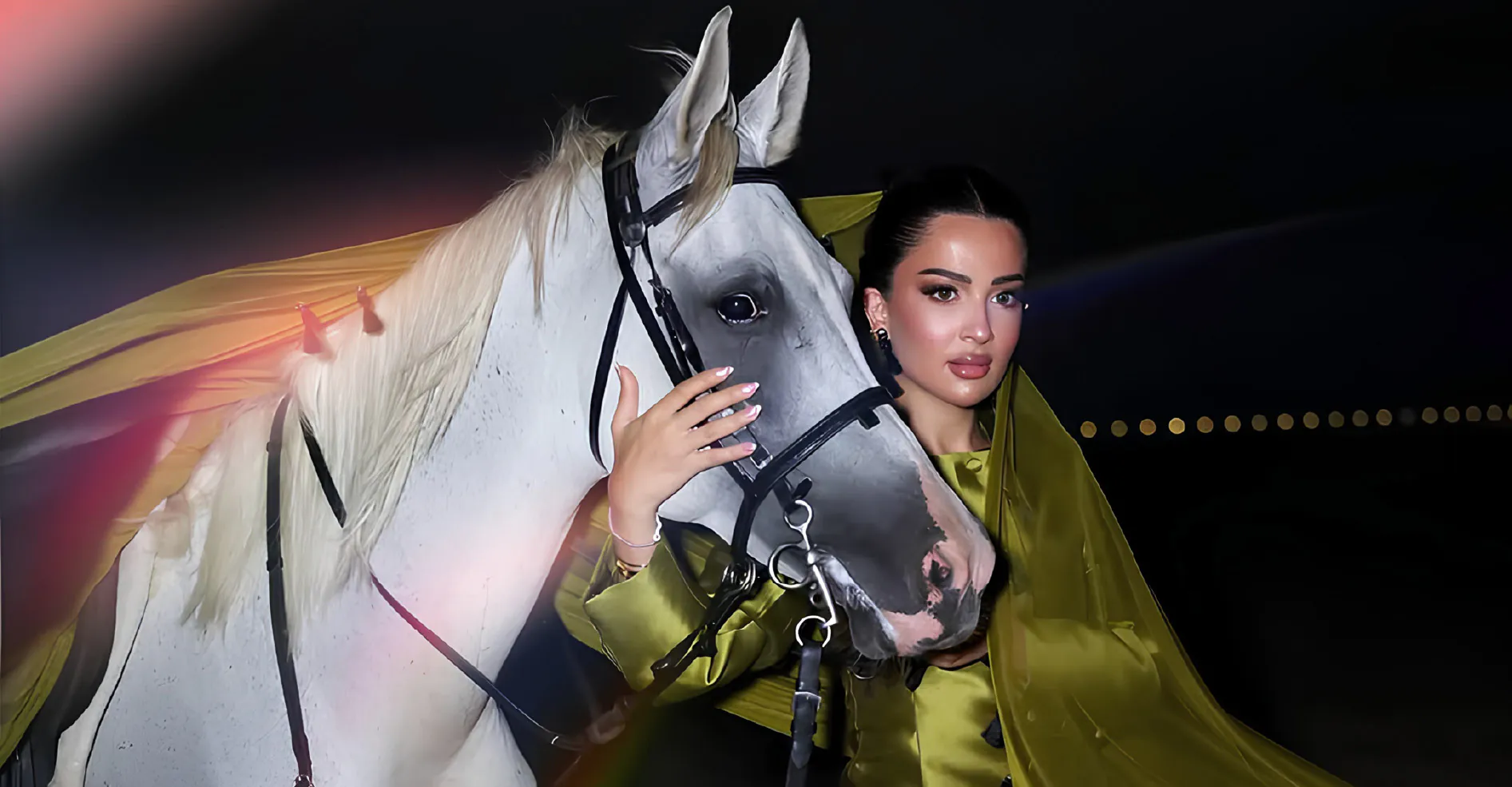
Saudi Arabia has become one of the most exciting beauty markets in the region. The audience is young, highly connected, and seriously engaged with beauty content. Skincare routines, makeup tutorials, fragrance reviews, GRWM videos, and beauty recommendations are everywhere across TikTok and Instagram.
And Saudi consumers actively use it to make purchasing decisions. That’s especially true for skincare, makeup, fragrance, haircare, self-care, and wellness products.
Local creators have built incredibly loyal communities around these topics, and their audiences genuinely trust their opinions. For beauty brands, that creates a huge opportunity, but it also means competition is intense. Showing up with generic campaigns or overly polished ads usually isn’t enough anymore. The brands seeing the best results are the ones creating content that actually feels relevant to the market and audience.
What Makes Beauty Influencer Campaigns Work
A lot of beauty campaigns look nice, but far fewer actually convert. The difference usually comes down to authenticity, relevance, and execution.
Real Skin Matters
Beauty audiences are smart. They want to see products tested on people who actually look like them and share similar concerns. That means different skin tones, different skin types, and different beauty routines. Above all, real results instead of perfect lighting and filters.
Creators who openly talk about their skin concerns tend to build much stronger trust with their audience. And trust is what drives purchases.
Tutorials Outperform Hard Selling
Beauty content works best when it’s useful. A creator showing a full skincare routine or makeup application naturally performs better than someone simply saying, “This product is amazing.” Why? Because audiences can actually see how the product fits into real life. Showing will almost always beat telling in beauty marketing.
Over-Scripted Content Kills Performance
If the content sounds like it came from a corporate presentation, people notice immediately. The best beauty campaigns usually give creators enough freedom to speak naturally, share honest opinions, and create content in their own style. That’s what keeps things believable. And honestly, audiences trust creators more when everything doesn’t sound overly perfect.
Cultural Relevance Matters a Lot
This is especially important in Saudi Arabia and the GCC. Beauty content that reflects local preferences naturally performs better because it feels more relatable to the audience. That could mean:
- Humidity-friendly skincare,
- Modest beauty looks,
- Fragrance content with regional preferences,
- Ramadan skincare routines,
- Makeup styles that align with local trends.
Generic global campaigns often miss these details, and audiences notice that too.
TikTok and Instagram Are Driving Beauty Discovery
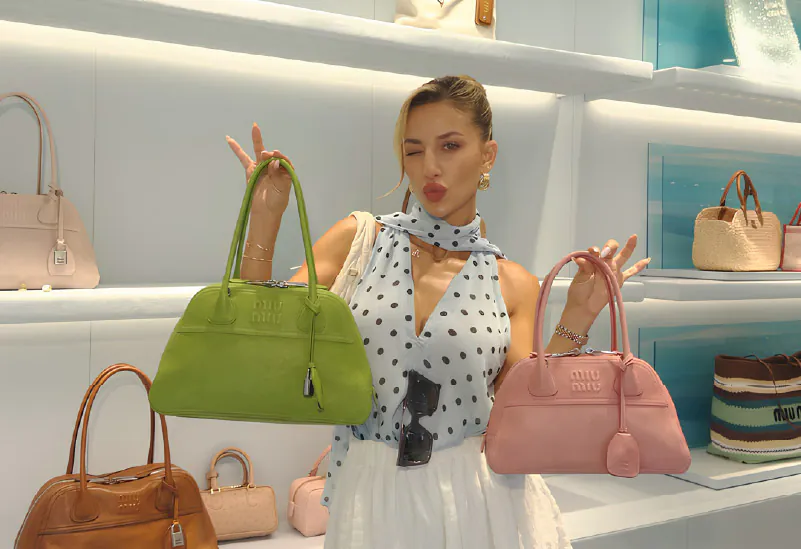
Beauty discovery today happens on social media first, and TikTok has completely changed the speed of it. A single creator video can turn an unknown skincare product into a sold-out item overnight. That’s how fast beauty trends move now.
TikTok works especially well for honest reviews, tutorials, first impressions, GRWM content, and trend-driven beauty products. The platform rewards content that feels casual, authentic, and creator-led.
Instagram plays a different role. That’s where beauty brands build aesthetics, stronger visual identity, and long-term partnerships with creators. The content is usually more polished, but audiences still expect it to feel personal and relatable. The strongest beauty brands use both platforms together instead of treating them separately.
Micro-Creators Are the Secret Weapon
In beauty and skincare, micro-creators are often the sweet spot. These creators usually have highly engaged audiences that trust their recommendations deeply because their content feels more personal and niche.
A skincare creator focused specifically on acne-prone skin, sensitive skin, or fragrance-free routines isn’t just talking to random followers. They’re speaking directly to people actively searching for those solutions.
That’s incredibly valuable for beauty brands, because influence is about relevance. And in beauty marketing, relevance converts much better than broad visibility.
Building a Beauty Influencer Strategy That Delivers
The beauty category rewards brands that invest thoughtfully in creator relationships – the right creators, the right briefs, the right platforms, and enough creative freedom for the content to feel real. Get those elements right, and the results speak for themselves.
Catchers works with beauty and skincare brands to build influencer marketing campaigns that are rooted in strategy, tailored to the Saudi and GCC market, and designed to actually convert. From creator selection to campaign execution, we handle the full picture.
Ready to grow your beauty brand through a good influencer marketing strategy? Get in touch with Catchers today.