
Saudi Arabia's Top Influencer Niches
Saudi Arabia's Top Influencer Niches – Beauty, Fashion, Gaming, and Food
If you’ve been paying any attention to Saudi social media lately, you already know influencer marketing here isn’t a side hustle anymore. It’s a full-blown industry, backed by government licensing, billions in spend, and an audience that is online basically all the time. Saudi Arabia’s top influencer niches include beauty, fashion, gaming, and food.
But not every niche works the same way in this market. What kills it on Snapchat doesn’t necessarily kill it on TikTok, and what works for a skincare brand is a totally different playbook than what works for a gaming brand. So let’s break down the four niches doing the heaviest lifting right now.
Beauty – The Category That Basically Built Influencer Marketing in KSA
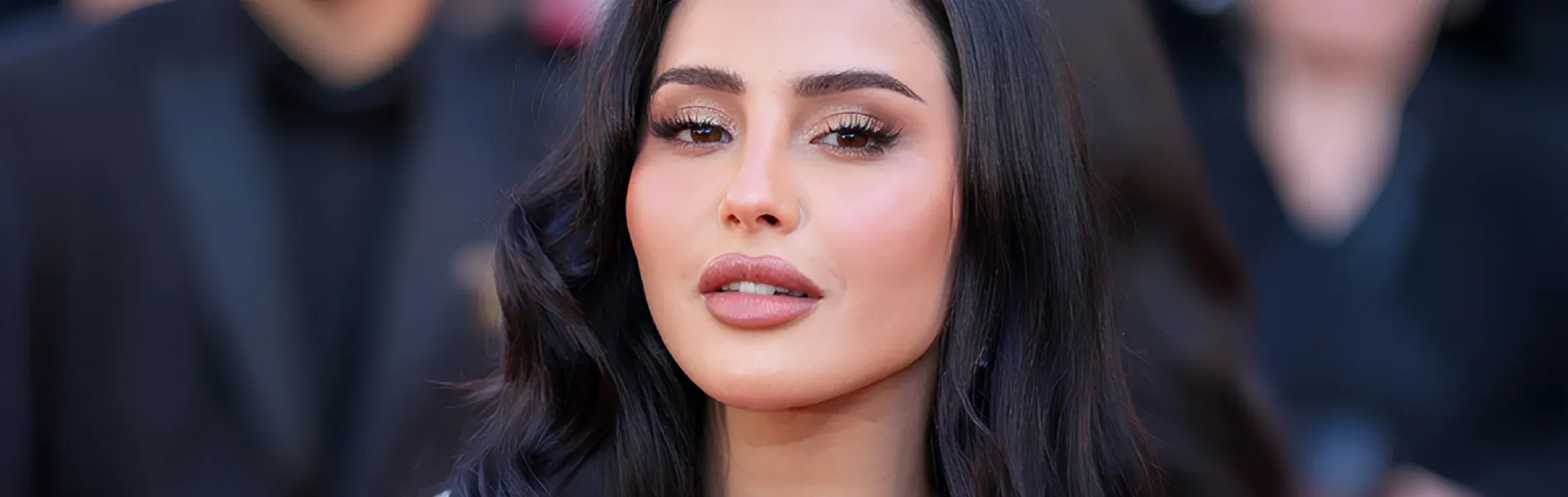
Beauty was made for this. Saudi Arabia’s cosmetics market hit $3.97 billion in 2025, and the numbers around influencer-driven buying are honestly a little wild. While the global average for people purchasing something after seeing influencer content sits around 49%, in Saudi Arabia, that number jumps to 74%. Honestly, that’s not a small gap but a different market entirely.
Why Halal Alignment Is Non-Negotiable
Part of what makes beauty so dominant here is the cultural layer most outside brands miss. Saudi audiences expect their beauty influencers to recommend halal-aligned products, meaning alcohol-free and free of non-halal animal derivatives, and that expectation shapes everything from product reviews to brand partnerships. Skip that step, and even a great campaign can fall flat.
Instagram for Aspiration, Snapchat for Conversion
Platform-wise, beauty content does double duty. Instagram Reels tend to drive the awareness and aspiration side of things, while Snapchat Stories carry the daily engagement and the actual purchase intent, since Snapchat remains one of the most popular social platforms in the country. And across the board, content in Arabic consistently outperforms anything translated from English, often by a wide margin.
Fashion – Where Aesthetic Alignment Actually Matters
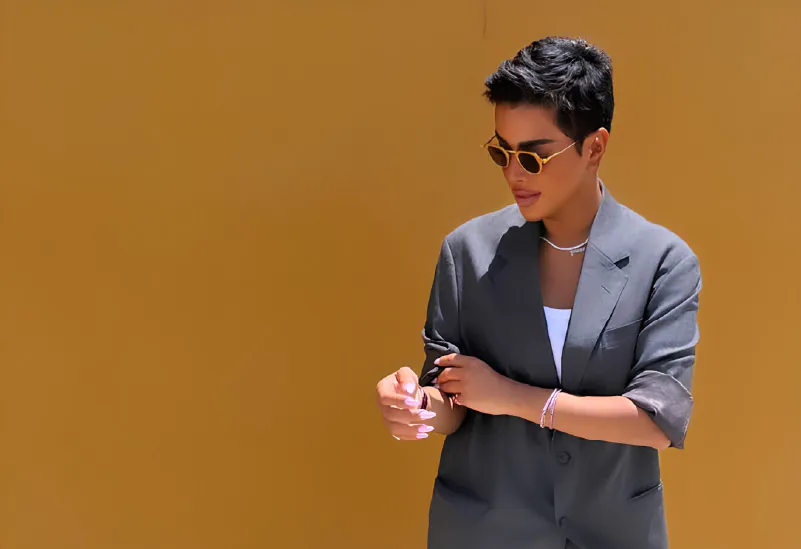
Fashion in Saudi Arabia covers a lot more ground than people expect. You’ve got luxury and streetwear creators, sure, but also a strong and fast-growing modest fashion space, plus stylists who blend traditional wear with modern silhouettes. Influencers like Model Roz and modest fashion creators such as Nojoud Al Rumaihi show how wide this category actually stretches, from millions-strong followings to more niche, highly engaged communities.
Why Mismatched Partnerships Get Noticed Fast
What makes fashion tricky is that it’s the niche where mismatch shows the fastest. Audiences clock it almost instantly when a brand partners with someone whose whole vibe doesn’t fit. The fashion creators doing well here tend to have built a very specific aesthetic identity, and brands that win in this space usually pick partners based on that fit first, follower count second.
TikTok for Discovery, Instagram for the Lookbook
TikTok and Instagram both matter for fashion, but they play different roles. TikTok tends to drive discovery and trend participation (think styling challenges, outfit transitions, that kind of thing), while Instagram still functions as the more polished, aspirational lookbook space.
Gaming – The Niche Backed by Actual Government Strategy
Gaming might be the most fascinating niche on this list, mostly because instead of being a simple content category, it turns out it’s a national priority. Saudi Arabia’s National Gaming and Esports Strategy aims to add SAR 50 billion to GDP and create 39,000 jobs by 2030, and the country has already poured more than $38 billion into the sector through the PIF-backed Savvy Games Group.
From Streamers to Cultural Figures
That kind of investment trickles directly down into the creator space. Saudi streamers like SHoNgxBоNg, who has over 22 million YouTube subscribers and has collaborated with brands like Nissan and Doritos, show exactly how big this niche has gotten. And it’s not just streaming and Let’s Plays anymore. With Qiddiya building out a dedicated esports district and Riyadh positioning itself as a global esports hub, gaming content creators are increasingly seen as cultural figures, and not just entertainers anymore.
What Actually Works for Brands in This Niche
For brands, this is a niche where authenticity matters even more than usual. Gaming audiences are notoriously sharp at spotting a creator who clearly doesn’t play the game they’re sponsoring. The strongest gaming partnerships in Saudi Arabia tend to lean into:
- Long-term ambassador deals rather than one-off posts, since gaming audiences reward consistency,
- Livestream integrations over static posts, because that's where the real engagement happens,
- Tie-ins with major esports moments, like tournament wins or new game launches, since timing matters a lot in this niche.
Food – Small Creators, Big Influence on Where People Actually Eat
Food might be the most underrated niche of the bunch, but the numbers tell a clear story. One study found that 68% of Saudi consumers say their dining choices are directly shaped by food influencers on social media. That’s definitely most of the market.
Why Micro-Influencers Win in This Niche
What’s interesting about food in Saudi Arabia is how often it’s the micro-influencer, not the mega-creator, who actually moves the needle. A creator like Abdulrahman Bin Kasem, a former Top Chef contestant with 600K Instagram followers, built his audience specifically around showcasing Saudi flavors and reviewing restaurants and food products.
In fact, that kind of focused, locally relevant content tends to drive measurable outcomes like store visits, instead of simple views. Food, retail, and lifestyle brands in particular tend to lean on micro-influencers for exactly this reason: smaller, more concentrated audiences usually mean higher engagement and more direct influence over where people actually decide to eat.
Built for Visual Platforms
Visually, food content is built for Instagram and TikTok specifically. A new restaurant or a viral cafe moment can spread fast, and food creators consistently turn a single review into something close to a must-try recommendation for their followers.
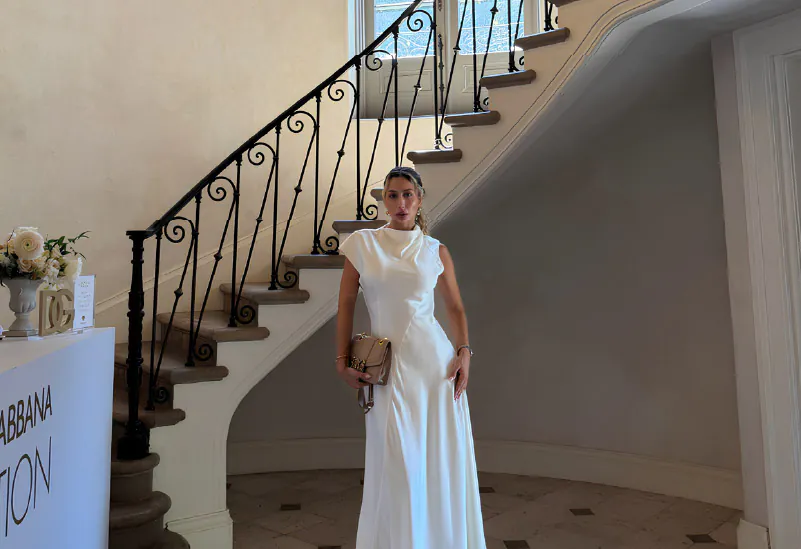
The Common Thread Across All Four of Saudi Arabia's Top Influencer Niches
Whatever the category, a few things keep showing up. Arabic-first content consistently performs better than translated content, sometimes by 35 to 50%. Platform choice matters a lot, with TikTok and Snapchat driving discovery and daily engagement, and Instagram and YouTube doing more of the polished, considered storytelling. And across the board, every paid partnership needs to be properly licensed and disclosed, since Saudi Arabia regulates influencer marketing through the General Authority for Media Regulation, and that licensing requirement applies no matter which niche a creator works in.
From the Right Niche to the Right Creator
If you’re a brand trying to figure out which niche fits your product, the honest answer is that it depends less on follower count and more on finding creators whose existing audience already overlaps with the people you’re trying to reach. Beauty, fashion, gaming, and food all work differently in this market, but they all reward the same thing: relevance over reach.
And remember that the best influencer campaigns aren’t built around the biggest names but around the right fit. If you’re looking to reach Saudi audiences, Catchers can help you identify the right creators, manage compliant partnerships, and develop campaigns that deliver meaningful results. Contact our team, and we can help you create campaigns that resonate with the right audience.