
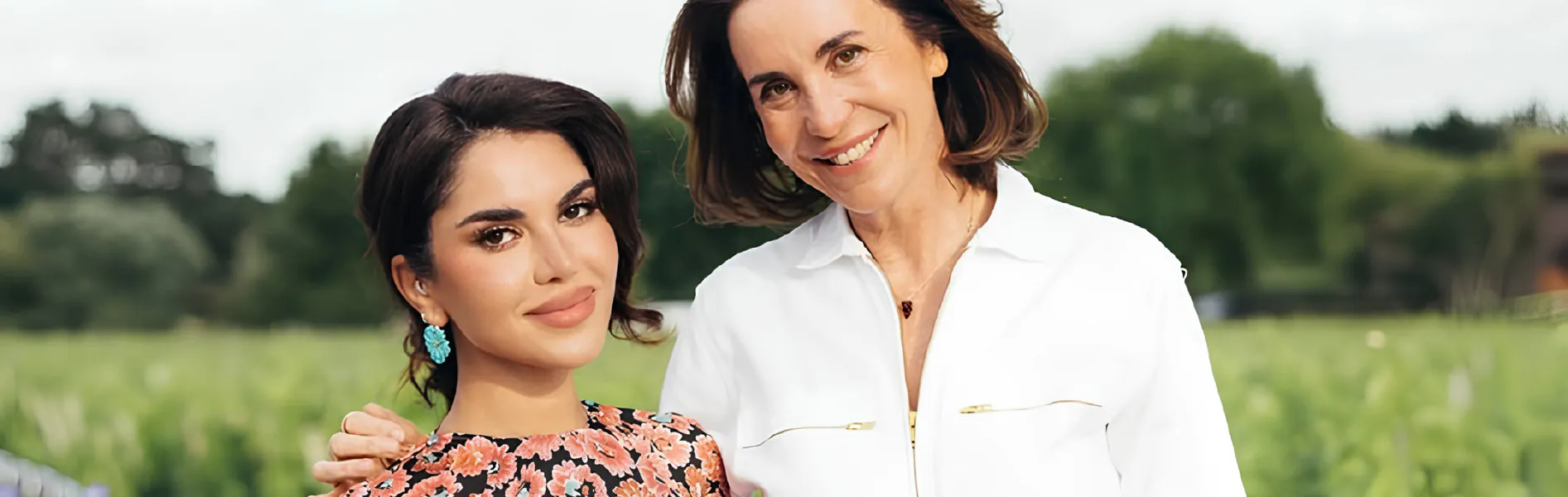
Influencer Marketing Trends Brands Should Watch
Top Influencer Marketing Trends Brands Should Watch in 2026
Influencer marketing doesn’t stand still. What worked two years ago is already evolving, like new platforms, new formats, and new audience expectations. The brands keeping up aren’t necessarily the ones with the biggest budgets. Instead, they are aware of all the influencer marketing trends brands should watch.
These brands are the ones paying attention to where the industry is heading and adjusting before they fall behind. So, let’s share all the trends shaping influencer marketing this year, and what they mean for your brand.
1. The Vanity Metric Era Is Over
Likes and impressions had a good run. But in 2026, brands are finally holding influencer marketing campaigns to the same performance standards as every other marketing channel.
The question is no longer “how many people saw this?” It’s “what did they do after they saw it?” Clicks, sign-ups, purchases, and real conversion data are now the benchmarks that matter. This shift is pushing brands to be more intentional with their briefs, choose creators who align with actual business goals, and build campaigns designed to move people through the funnel and not just through their feed.
2. Micro-Creators Are Winning the Trust Game
The obsession with follower counts is fading fast. Brands are increasingly discovering that smaller, more niche creators consistently outperform mega-influencers on the metrics that matter: engagement quality, audience trust, and conversion.
Here’s why it works: when a creator has 30,000 followers who are all deeply interested in a specific topic, say, sustainable fashion or Saudi street food, a product recommendation from that creator feels like a tip from a friend. It doesn’t feel like an ad. That intimacy is incredibly difficult to manufacture at scale, and it’s exactly what brands are chasing right now.
In the GCC market, this is especially relevant. Local micro-creators speaking authentically to their communities in Arabic, in their own dialect, with their own personality – that’s where real influence lives.
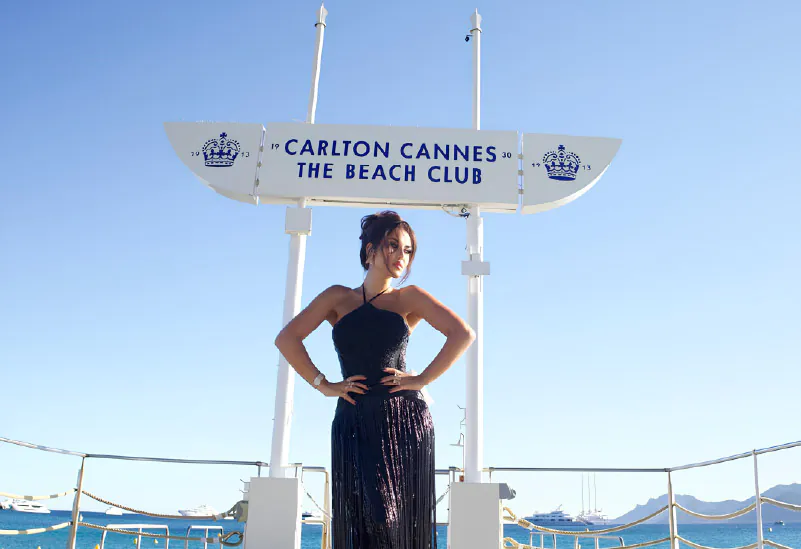
3. Long-Term Partnerships Over One-Off Campaigns
Brands that have been at this for a while know the limitations of the one-post deal: a creator mentions your product once, their audience forgets about it by next Tuesday, and you’ve moved on to the next activation. It’s expensive, it’s forgettable, and it rarely builds anything lasting.
The trend in 2026 is firmly toward long-term creator relationships, such as brand ambassadors, quarterly collaborations, and always-on content programs. When a creator shows up for your brand consistently over months, their audience starts to associate the two. That repeated exposure builds the kind of familiarity and trust that a single sponsored post simply can’t achieve.
For brands, it also makes creative sense. Creators who know your product deeply produce better content. Full stop.
4. AI Is in the Room, But Creators Still Win
AI-powered tools have entered almost every part of the influencer marketing workflow, and honestly, that’s a good thing. The more data brands have access to, the smarter their decisions become. In 2026, AI is showing up across:
- Creator discovery – finding the right fit faster, based on audience data rather than gut instinct
- Performance prediction – forecasting how a campaign is likely to perform before it goes live
- Content analysis – understanding what's resonating and what isn't, in real time
- Campaign reporting – pulling together results across platforms into one clear picture
What AI can’t do, though, is replace the human connection that makes influencer content work in the first place. Audiences follow creators for their personality, their humor, their point of view, none of which can be automated. The brands getting this right are using AI to sharpen their strategy and selection process while leaving the actual content creation where it belongs: with the creator.
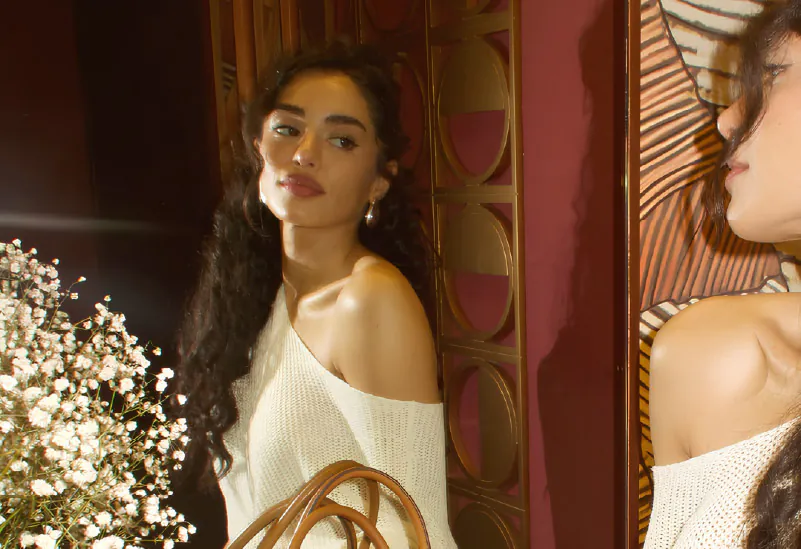
5. TikTok Is Non-Negotiable (and Getting More Sophisticated)
If TikTok still feels optional to your brand, that instinct needs updating. In Saudi Arabia, TikTok has become one of the most powerful discovery platforms for younger consumers, and the content that performs best isn’t polished brand content, but raw, fast, and creator-led.
What’s changing in 2026 is the sophistication behind it. Brands are moving beyond boosting random posts and building actual TikTok-first influencer marketing strategies. It’s all done with creator briefs designed specifically for short-form, performance tracking built in from day one, and a clear funnel from content to conversion. The platform rewards consistency and creativity, and the brands showing up that way are pulling ahead.
6. Private Communities Are the Next Frontier
Here’s a trend that doesn’t get talked about enough yet: the shift from public social feeds to private, gated spaces. Discord servers, Telegram channels, and Instagram broadcast channels show that creators are increasingly building intimate communities where their most loyal followers gather. And brands are starting to figure out how to show up there in a way that actually adds value rather than interrupts.
This is early territory, but it’s worth watching closely. The brands that crack community-level engagement, where the creator has curated a genuinely invested audience, will have access to a level of trust and conversion that no public feed post can match.
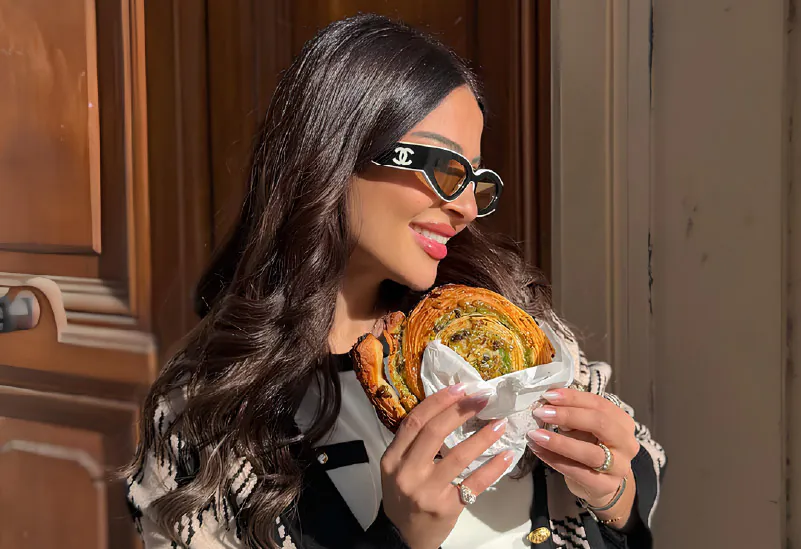
What This Means for Your Brand
The common thread running through all of these trends is the same: influencer marketing is growing up. It’s becoming more strategic, more measurable, and more deeply integrated into how brands reach and convert customers.
Keeping up with that evolution requires more than just finding creators and sending over a brief. It requires a real influencer marketing strategy, the right partnerships, and a team that understands how the landscape is shifting.
That’s exactly what Catchers is built for. If you want to make sure your brand is ahead of these trends and not just catching up to them, get in touch with us today.