



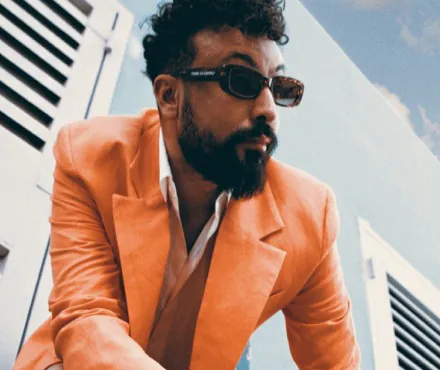

Will Influencers Replace Traditional Media?
Will Influencers Replace Traditional Media?
The media landscape is undergoing one of the most significant transformations in its history. Audiences are consuming information differently, trust in legacy media has shifted, and digital creators now command attention once reserved for newspapers, television, and radio. As influencers increasingly shape opinions, trends, and even political discourse, a critical question emerges: Will influencers replace traditional media?
The answer is not simple. While influencers have disrupted how information is distributed and consumed, traditional media continues to play a vital role in journalism, accountability, and large-scale reporting. Understanding whether influencers replace traditional media requires examining both the opportunities and the limitations of this evolving media ecosystem.
Why Influencers Are Gaining Media Power?
Influencers thrive in an environment where speed, accessibility, and relatability matter. Social platforms allow creators to publish content instantly, respond to audiences in real time, and adapt narratives without institutional constraints. Influencers often break stories quickly, comment on events as they unfold, and deliver information in a tone that feels more personal and less formal.
Audiences, especially younger demographics, increasingly turn to creators for news summaries, commentary, and context. Influencer trust also plays a role. Many followers feel a stronger connection to influencers than to corporate media brands, making influencer-led content feel more authentic.

How Are Influencers Changing News Consumption?
Influencers are not just entertainers, as many have become informal news sources. They curate information, add commentary, and frame stories through personal perspectives. This shift has raised questions, like will news influencers replace media as the primary source of information for future generations?
Influencer-driven news consumption favors short-form content, visual storytelling, and simplified explanations. This format makes complex topics more digestible but can also sacrifice nuance. While influencers excel at engagement, they may lack the editorial oversight and fact-checking standards of traditional media. As a result, influencers are changing how news is consumed, even if they are not fully replacing traditional journalism.
The Strengths of Influencer-Led Media
Influencers often outperform traditional outlets in audience interaction. Comments, shares, and discussions are built into their content ecosystem. Another advantage is niche specialization. Influencers frequently focus on specific topics such as technology, finance, health, or politics, allowing them to build expertise-driven communities. This specialization enables deeper engagement than broad, generalized reporting.
Influencers also humanize information. By sharing personal insights and lived experiences, they make news feel relevant and accessible, especially to audiences disengaged from traditional formats.
The Limitations and Risks of Influencer-Led News
Despite their strengths, influencers face some limitations when it comes to replacing traditional media. One major concern is credibility. Influencers are not bound by the same ethical standards, editorial processes, or accountability structures as established media organizations.
This raises concerns about misinformation, bias, and lack of verification. Without editorial oversight, errors can spread quickly. Additionally, influencers are often driven by algorithms and monetization. Sponsored content, platform incentives, and audience pressure can blur the line between opinion, promotion, and factual reporting.

Why Traditional Media Still Matters
Traditional media organizations provide resources and infrastructure that influencers typically cannot replicate. Investigative journalism, international reporting, and long-form analysis require teams, funding, and institutional support. Traditional outlets offer depth, verification, and accountability that remain essential in democratic societies. While influencers can amplify stories, traditional media often originates them. This distinction preserves the relevance of legacy journalism even as consumption habits evolve.

A Hybrid Future: Collaboration Rather Than Replacement
Rather than replacement, the future of media may lie in collaboration. Many traditional outlets already partner with influencers to expand reach and connect with younger audiences. Influencers, in turn, rely on traditional reporting as source material.
This hybrid model suggests that influencers may become distributors, commentators, and translators of news produced by established organizations. Such collaboration combines the credibility of traditional media with the engagement power of influencers, creating a more dynamic and inclusive information ecosystem.
Will Influencers Replace Traditional Media? – The Positive Outcomes of Influencer-Driven Media
Will news influencers replace traditional media completely? The rise of influencers in media brings several positive outcomes. Greater diversity of voices, decentralized storytelling, and increased accessibility to information can empower underrepresented communities.
Influencers can also hold traditional media accountable by challenging narratives and highlighting overlooked perspectives. This pluralism strengthens public discourse when balanced responsibly. In this sense, influencers overpowering traditional media becomes less about replacement and more about the evolution and democratization of information.

The Long-Term Limitations of Influencer Dominance
Long-term reliance on influencers for news presents structural challenges. Platform dependency, algorithm changes, and monetization pressures can undermine consistency and independence. Influencers also face burnout and sustainability issues.
Unlike institutions, individuals may not maintain long-term coverage or accountability. These limitations suggest that influencers replacing traditional media is unlikely in a complete sense. A media ecosystem built entirely on individual creators would struggle to support investigative depth, legal protection, and editorial continuity.
Navigate the Changing Media Landscape with Strategic Insight
The most realistic outcome in the future of traditional and influencer media is coexistence. Influencers will continue to reshape how news is consumed, discussed, and distributed, while traditional media maintains its role as a foundation for verified information. Rather than asking whether influencers will replace traditional media in Saudi Arabia, a better question is how these two forces will evolve together.
The future of media is not about replacement but adaptation. At Catchers Agency, we monitor how digital influence shapes public perception and media strategy. If your brand is navigating the intersection of influence and media, our team can help you adapt with clarity and confidence. Contact us today to explore how influencer-driven communication fits into the future of media and how it can benefit your overall business prospects.